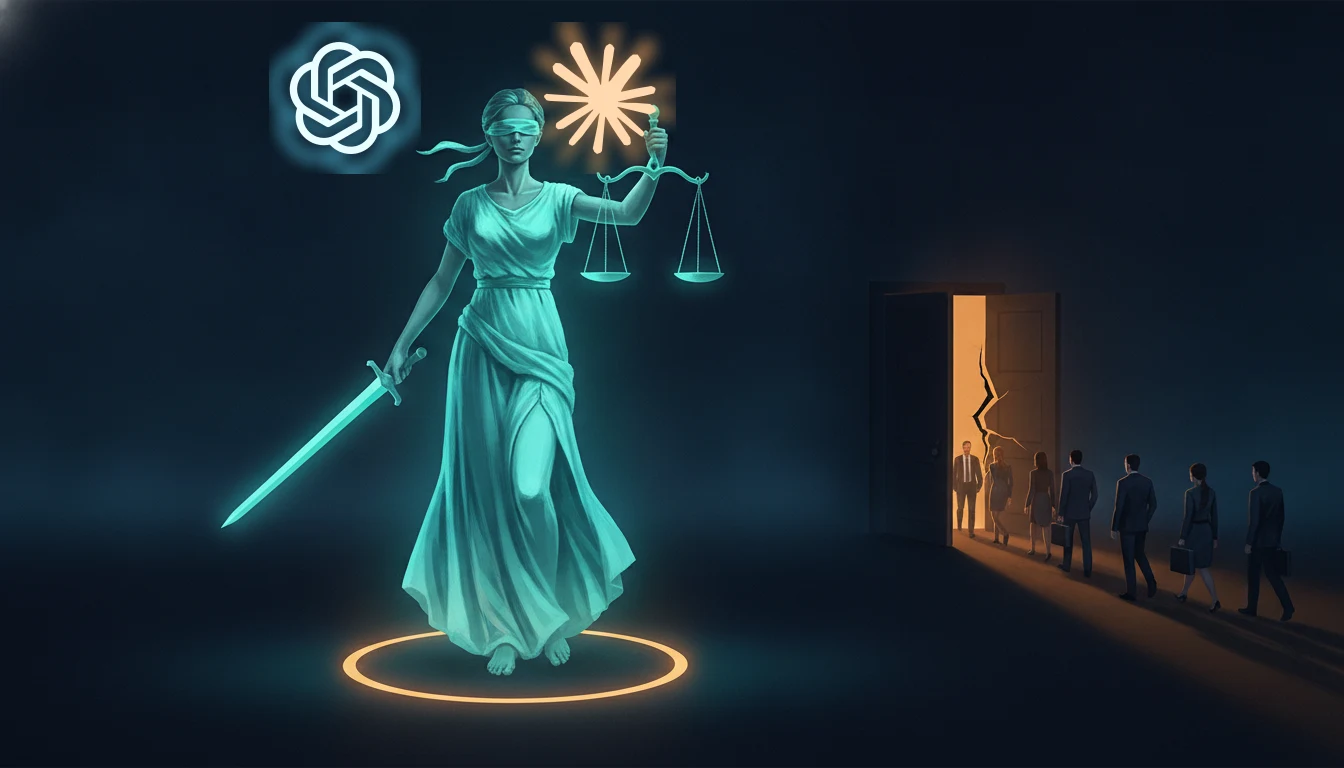
Pulled Offline: What the Fable 5 Ban Reveals About the Coming AI Access Divide
A frontier model went dark for the public by government order while vetted insiders kept it. What actually happened — and why open weights are the answer.

A frontier model went dark for the public by government order while vetted insiders kept it. What actually happened — and why open weights are the answer.

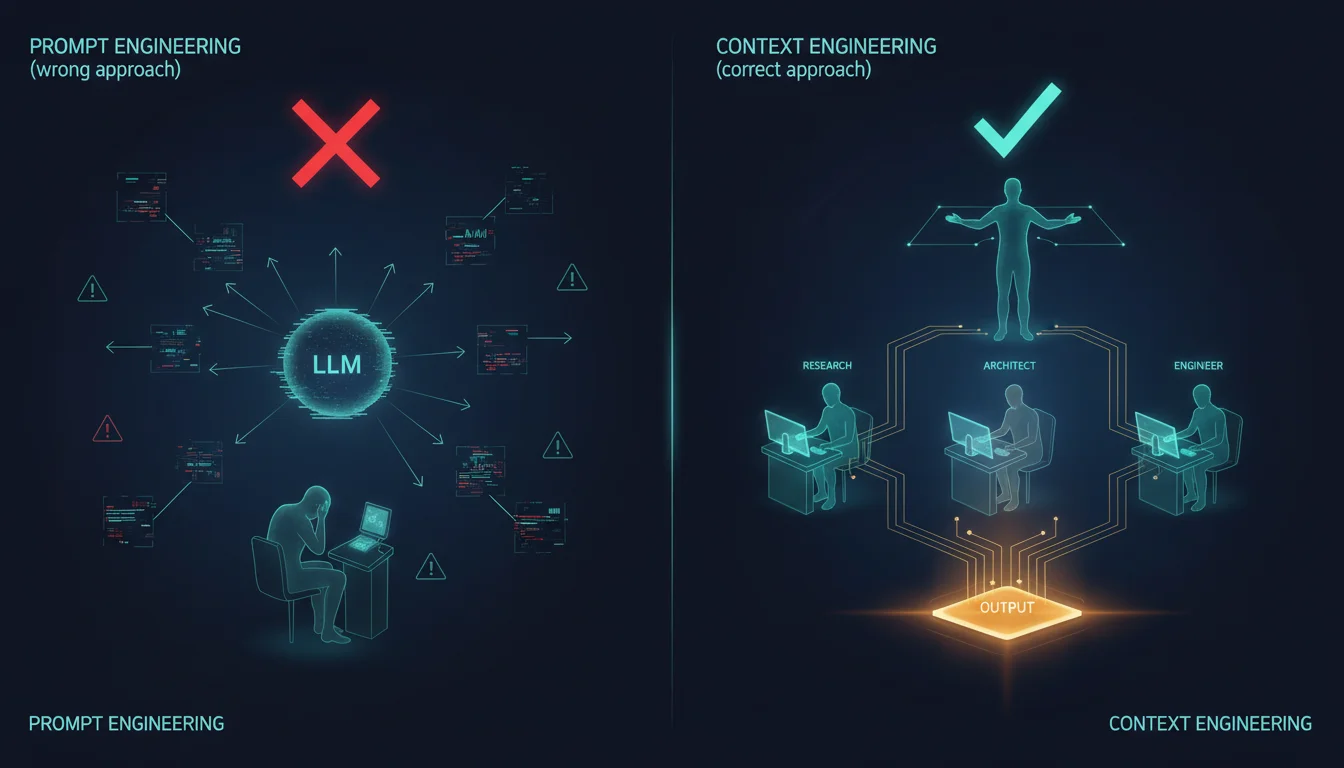
Multi-agent orchestration is not enough. Before a single line of code is written, the dev-workflow harness runs a dedicated context-engineering station that builds and verifies ground truth at two scopes — sprint-wide and per-story. Everything downstream depends on that station getting it right.

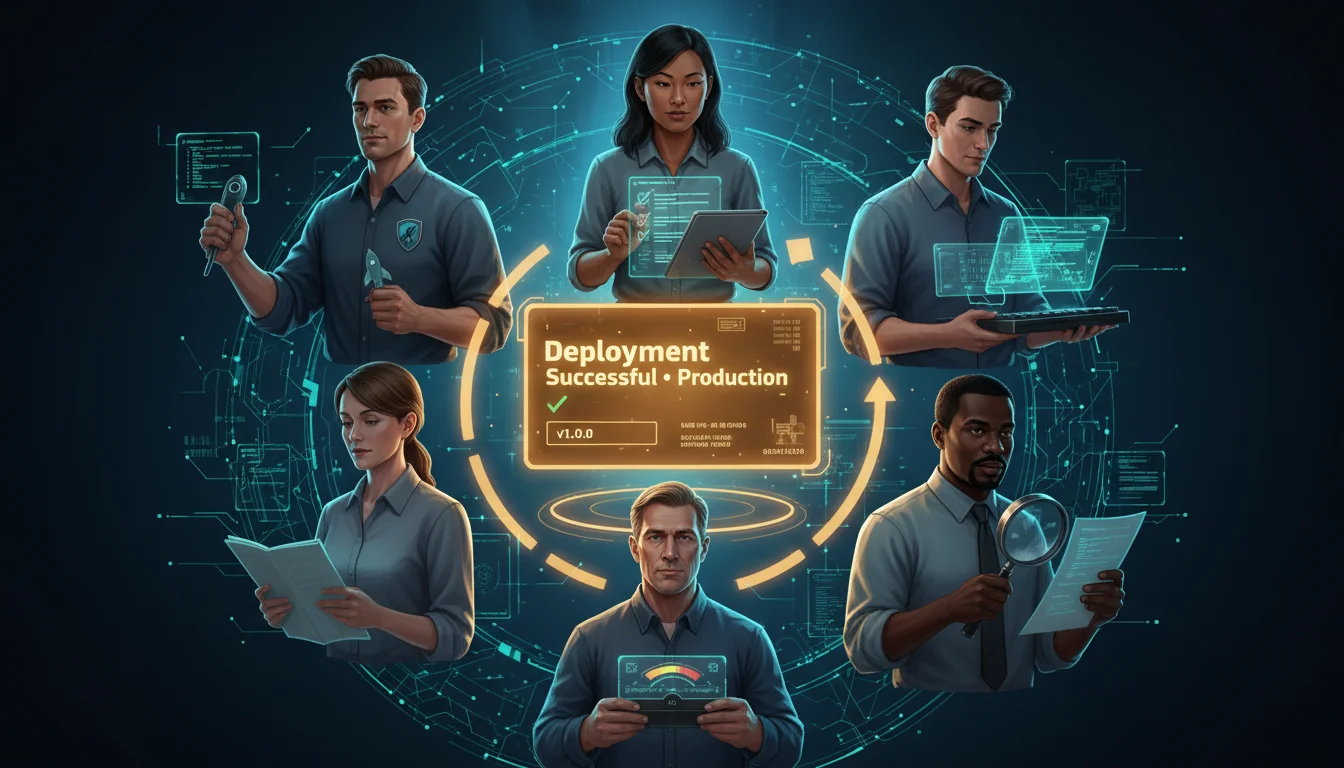
One model writing, reviewing, validating, documenting, and shipping its own code is an outdated anti-pattern. The dev-workflow skill replaces it with a conveyor belt of specialized agents — each with a narrow scope, a defined handoff, and a structural check on the agent upstream.

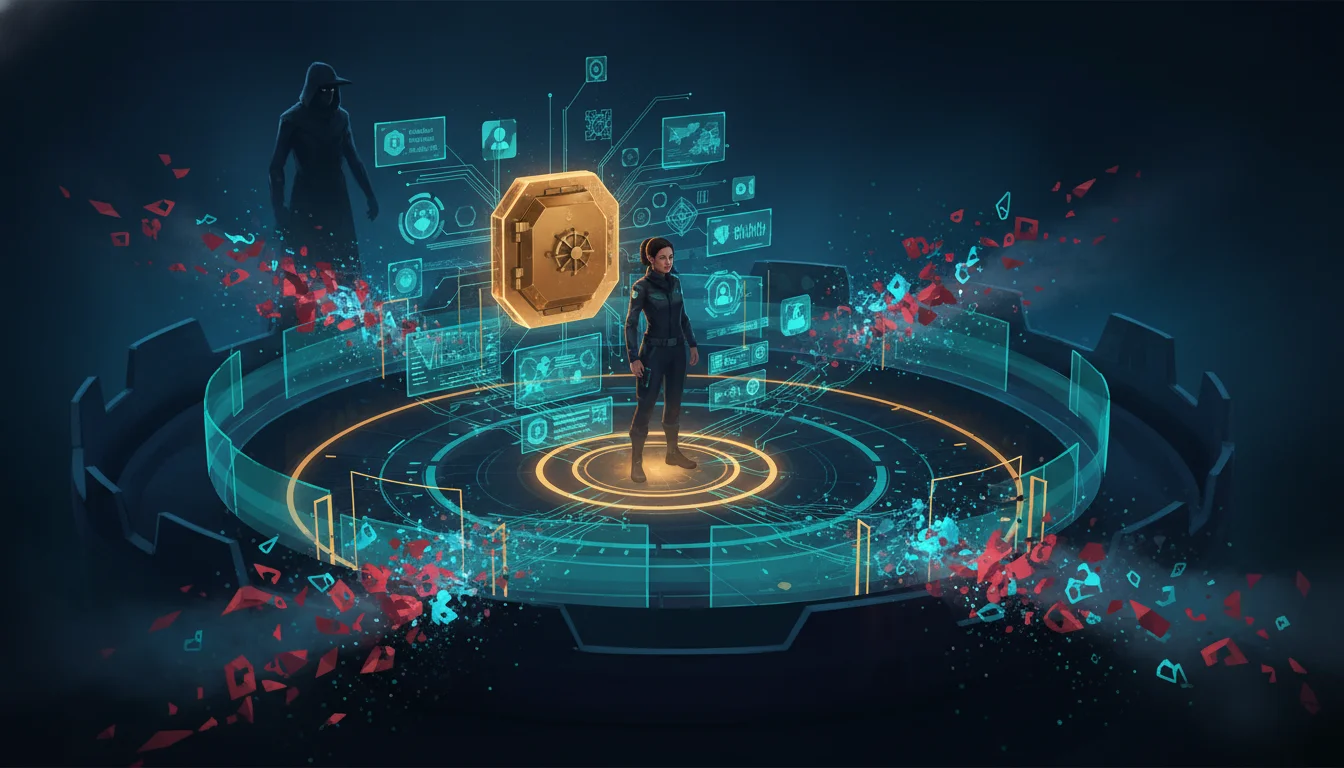
AI agents are privileged actors with real-world side effects — and the blast radius when they're compromised is categorically larger than any human credential incident.

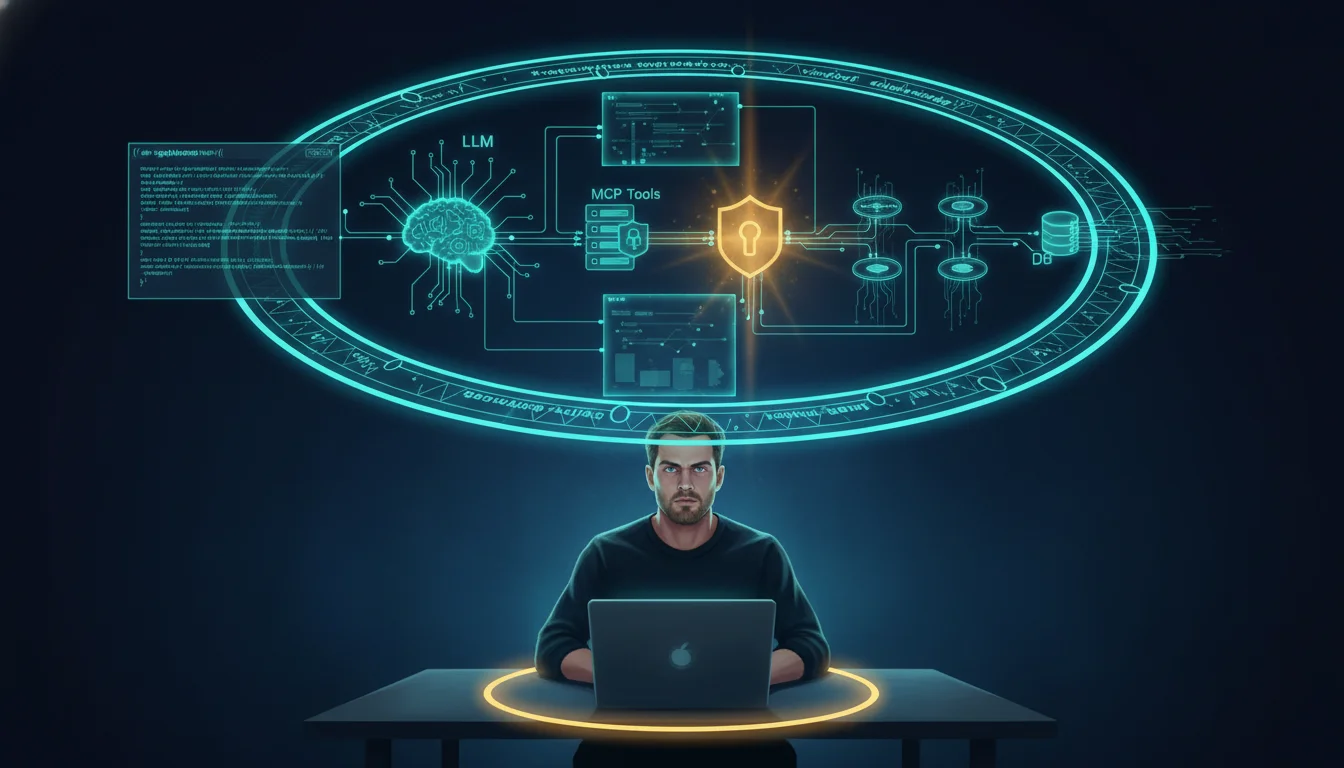
Deploying AI agents without a harness is like running high-voltage equipment without a breaker panel — technically possible, operationally reckless. The agent harness pattern gives enterprises the deterministic scaffolding that makes AI reasoning trustworthy at scale.

Prompt engineering tunes a single LLM call. Context engineering designs how information flows across an agent network — and that's what production AI actually runs on.
Subscribe to our newsletter and get exclusive insights on AI, automation, and digital transformation delivered to your inbox.
Join our community. Unsubscribe anytime.